
I still remember the night I read EA's July–September 2022 earnings recap. I was not sitting in a boardroom; I was a player with a backlog, a few favorite shooters, and a bad habit of buying one more cosmetic bundle than I needed. The headline number stopped me: EA had made $1.85 billion in revenue that quarter, and about $1.1 billion of it came from live services. That was almost two-thirds of the total. Only a third came from selling full games, new or old. The company called it the strongest second quarter in its nearly 40-year history. As a player, I felt the ground shift under my own library.
The Number That Reframed My Library
EA's report was not just a financial snapshot. It was a mirror. Non-service games brought in around $700 million, and 62 percent of units were sold digitally. The split told a clear story: the old model of buying a game once and moving on was no longer the main event. The main event was retention. It was seasons, passes, events, skins, and the quiet pressure to come back tomorrow.
| Revenue source | Rough share in Q2 2022 | What it meant to me |
|---|---|---|
| Live services | About $1.1 billion, nearly two-thirds | Skins, passes, seasonal events, recurring spending |
| Full-game sales | About $700 million, roughly one-third | Launch purchases, discounts, single-player completions |
I looked at my own habits and did not like the math. I had spent more on a handful of live-service games than on several full games I had loved and finished. The report made that feel less like a personal quirk and more like a system working as designed. 🎮
Apex Legends Was the Engine
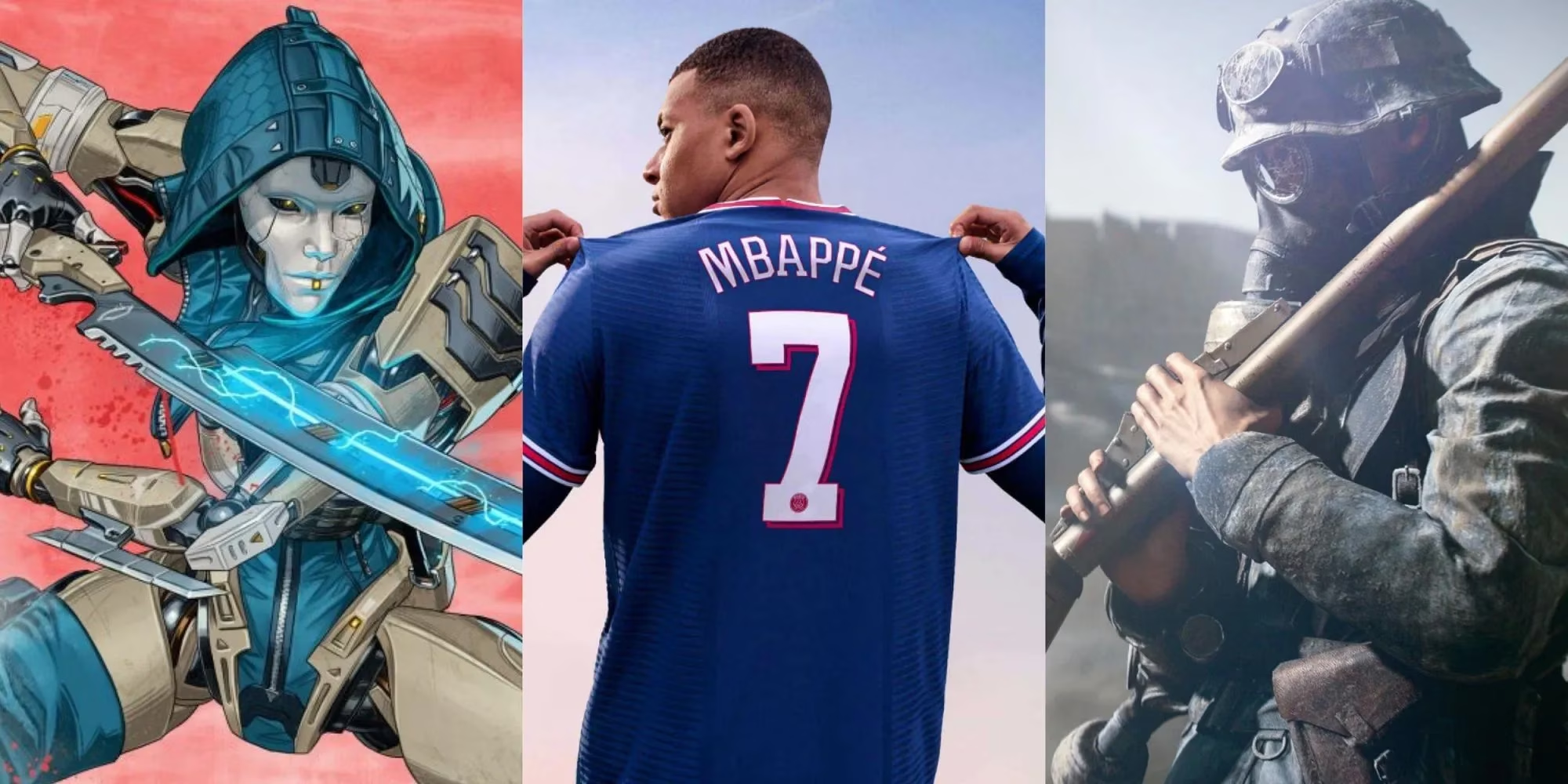
The biggest engine in that system was Apex Legends. EA said Seasons 9 and 10 each set new records for the highest active players since Season 1. The game had generated more than $1.6 billion in total revenue since February 2019, making it one of the most successful battle royale games on the market. I remember friends who had drifted away returning for a new legend, a new map, or a new battle pass. I remember the Ash bundle for Amazon Prime members and how cosmetic gear became a social language inside the squad.
Apex was not just a game I played. It was a place where my group made plans. That is the secret of a strong live service: it becomes a habit, a calendar, and a shared space. The revenue follows because the game keeps asking for one more match, one more season, one more skin. I bought a few cosmetics myself. I am not proud of every purchase, but I understand why I made them.
A Portfolio Built on Return Visits
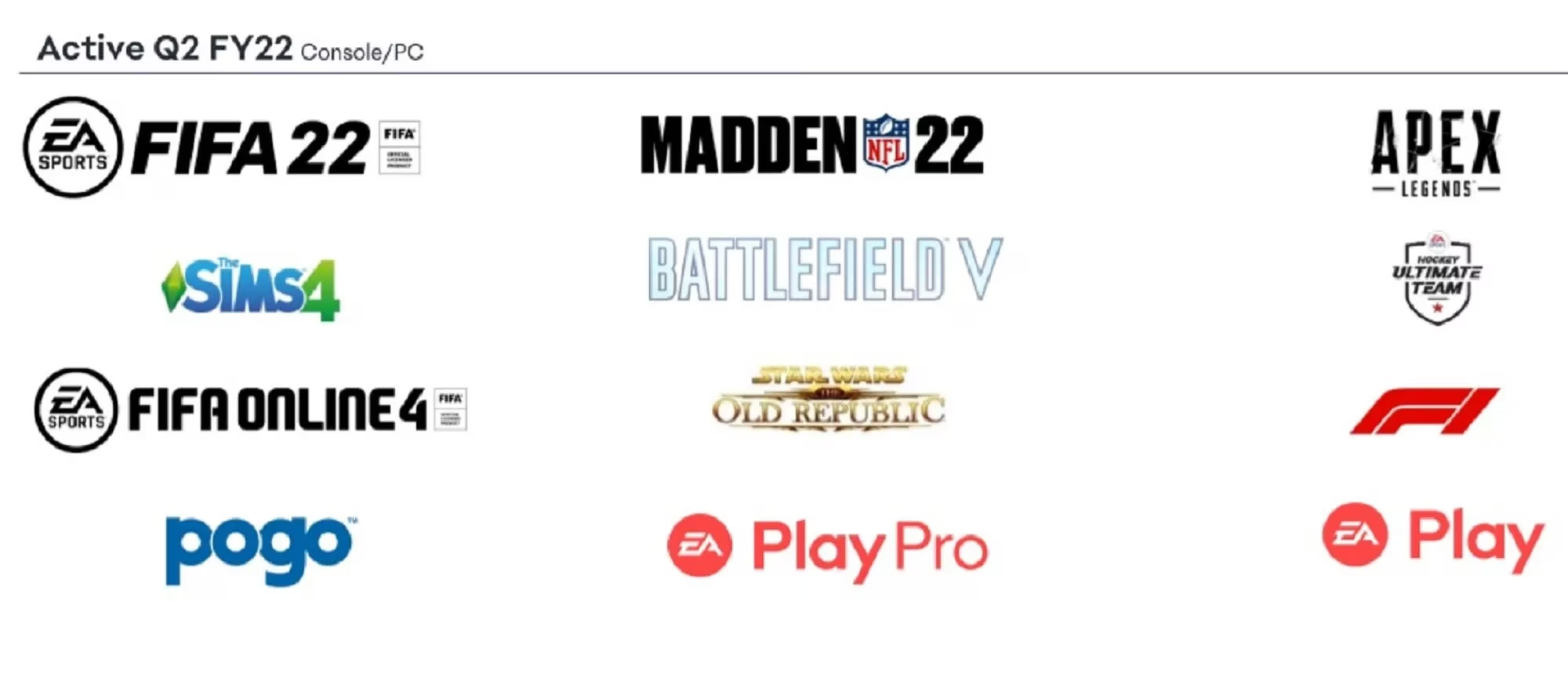
EA said it ran live services across more than 25 games and expected to generate 70 percent of its incoming transactions that year from this model. The list included FIFA 22, Madden 22, Battlefield 5, The Sims 4, and Star Wars: The Old Republic. Full games such as Battlefield 2042, NHL 22, and Mass Effect Legendary Edition were expected to bring in the remaining 30 percent. The message was hard to miss: the future was always online, frequently updated, and full of in-game purchases.
Battlefield 2042 was part of that expansion story. EA said 7.7 million players joined the open beta, and it called the early access period the largest early access event ever with 3.1 million players. I was one of them. I remember the hype, the bugs, and the strange gap between the promise and the launch. That gap is why I now read live-service announcements with one eyebrow raised. A big beta does not always mean a smooth future.
The NFT Comment and My 2026 View
EA also followed Ubisoft in expressing interest in the NFT market, calling the technology the future of our industry. At the time, I found that disturbing. Looking back from 2026, I can say the market soured, player patience wore thin, and many publishers learned that not every new revenue idea deserves a place in a game. The 2022 report still matters because it explains why so many big publishers chased retention so hard.
As a player, I now ask a simpler question: is the game fun because it respects my time, or because it is engineered to never end? EA's numbers answered the business question. My answer is still personal. I still play live-service games, but I no longer pretend they are just games. They are products with calendars, and I am the one who has to decide when to log off. 🕹️