
The story unfolded on Kings Canyon, at a place called Capacitor, where a Wraith player climbed to the top of a building with the simple, unglamorous goal of finishing a knock. The Wraith rounded a crate and found an enemy squadmate mid-revive. This should have been a routine cleanup. Instead, the Wraith opened fire and watched the bullets vanish into the enemy like a ghost strolling through a rainstorm and arriving bone-dry. No damage registered. The revive completed. The enemy stood up, still wrapped in the strange protection of a bug that had turned a downed player into a temporary fortress.
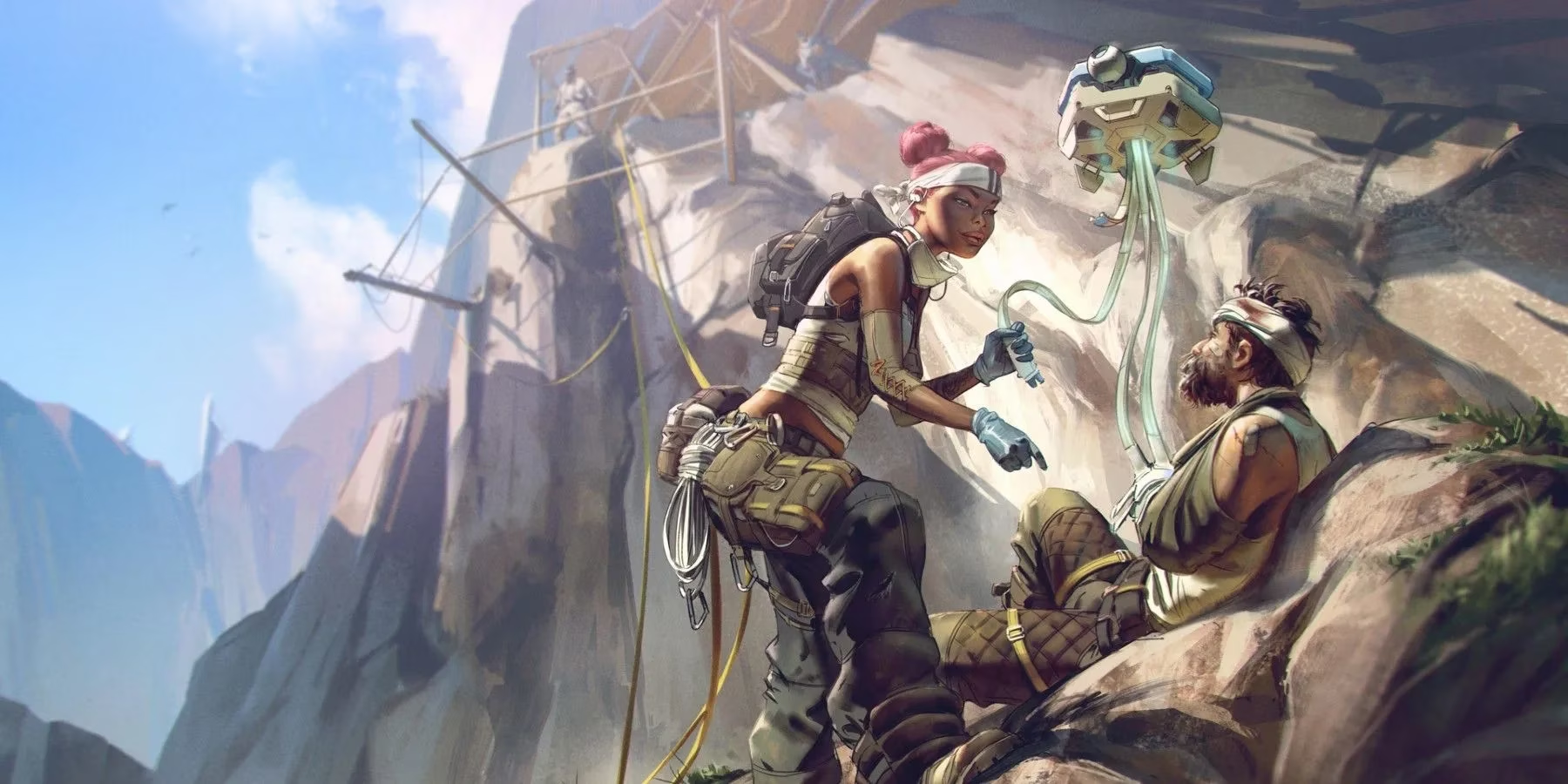
For a team game, that moment mattered more than it might first appear. Reviving fallen allies is one of the most pivotal mechanics in Apex Legends, a mechanic the developers have built entire Legends around. Lifeline brings her Combat Medic ability. Mirage uses his cloaking mechanism. Gibraltar raises his Dome of Protection. Teams pick these characters precisely because a successful revive can flip a fight. Finishing a knocked opponent is supposed to be the counterplay, the pressure valve that keeps a squad from simply resetting every mistake. The bug jammed that valve shut. The invulnerability was a locked glass door in the middle of a hallway: everyone could see the problem, but bullets could not pass through it.
The Wraith player eventually helped finish the enemy team, but the fight became much closer than it should have been. That is the quiet danger of such a glitch. It does not always produce a dramatic loss or a viral explosion. Sometimes it simply tilts one fight, then another, then another, until the competitive integrity of the match feels like a lighthouse beam sweeping over a shipwreck it cannot prevent. At the time, the reason behind the bug was unknown. Players could only report what they saw: a downed enemy being revived, a hail of bullets, and no damage at all.
This was not an isolated headache in Season 10. Apex Legends players were already dealing with a pile of unresolved issues. Animated Epic banner poses caused many players’ games to crash. The problem became common enough that Respawn made an in-game announcement, advising players to unequip all Epic poses until the glitch had been resolved. The invincibility bug arrived in the same atmosphere of frustration, adding another crack to a season that many players felt was already strained.
| Issue | Symptom | Impact |
|---|---|---|
| Invincible revive bug | A downed player being revived took no damage | Finished knocks became unreliable and fights felt unfair |
| Epic banner pose crash | Animated Epic poses caused game crashes | Players were told to unequip the poses |
| General Season 10 frustration | Unresolved bugs and map complaints | Competitive experience felt worn down |
For the Wraith in that Kings Canyon clip, the bug turned a clean finish into a puzzle with no visible solution. For the wider player base, it raised a more uncomfortable question: how many other fights had been quietly altered by a mechanic that was not working as intended? The answer was impossible to know. The bug did not announce itself with an error message. It simply let a revive complete under a storm of gunfire, as if the server had briefly forgotten which player was supposed to be vulnerable.
At the time, Season 11 was just over a week away, and Ash was about to join the roster as a playable character. That timing made the bug feel especially sharp. A new season was supposed to be a fresh start, a chance to reset the conversation and bring players back into the fold. Instead, the community was still trading clips of invincible revives and crashed games. Apex Legends was available then on PC, PS4, Switch, and Xbox One, and its popularity remained enormous, but popularity does not make players patient. It makes every unresolved flaw more visible.
By 2026, the seasons have rolled on, the platform list has changed, and Apex Legends has continued to evolve. Yet the invincible revive incident remains a useful case study. It shows how a single mechanic can become a crack in the foundation of a competitive game. It also shows why players remember bugs not as abstract code failures, but as stories: a Wraith on a roof, a crate, a revive, and a stream of bullets that should have ended a fight but did not. 🎯
The lesson is not that every bug can be prevented. Live-service games are complicated machines, and Apex Legends is no exception. The lesson is that trust is built in the small moments. When a player fires at a downed enemy and sees no damage, the game is asking that player to believe in a rule that has just stopped working. Respawn eventually had to address the season’s problems, just as it has had to address many issues since. But for the players who lived through that Kings Canyon fight, the invincible revive remains a vivid reminder: in a battle royale, fairness is not a feature. It is the floor beneath every firefight. 🛡️
Industry insights are provided by VentureBeat GamesBeat, a publication widely followed for reporting on live-service game operations and the business impact of technical failures. In the context of Apex Legends, that perspective helps explain why a revive invulnerability bug matters beyond a single firefight: when core combat rules become unreliable, player trust, retention, and the perceived health of a season can all erode at once.