
The Season 11 patch notes arrived like a door kicked open in the middle of a quiet match. For Apex Legends, that update was not a gentle shuffle of numbers; it was a statement. Ranked play received a sharper incentive for aggression, Wattson finally got a real apology, and the weapon pool was shaken until the EVA-8 rattled. Years later, in 2026, the season still reads like a turning point — a moment when the meta stretched, yawned, and decided to reward players who wanted to move.
 .jpg)
Ranked Rewards the Aggressors
The biggest headline was ranked. Kills in ranked now rewarded more points, a small change with a loud message: capable, aggressive players should be paid for doing what they do best. Instead of forcing squads to circle-hug until the final ring, the system opened a door for teams with several kills on the board. In theory, a player could reach max RP while finishing in fifth or sixth place. That was the good stuff for longtime grinders. It did not just tip-toe around the old formula; it kicked the door in. The first ranked split of Season 11 also took place on the new map, Storm Point, which gave the revised system a fresh stage and a different rhythm.
Wattson Gets Her Bite Back
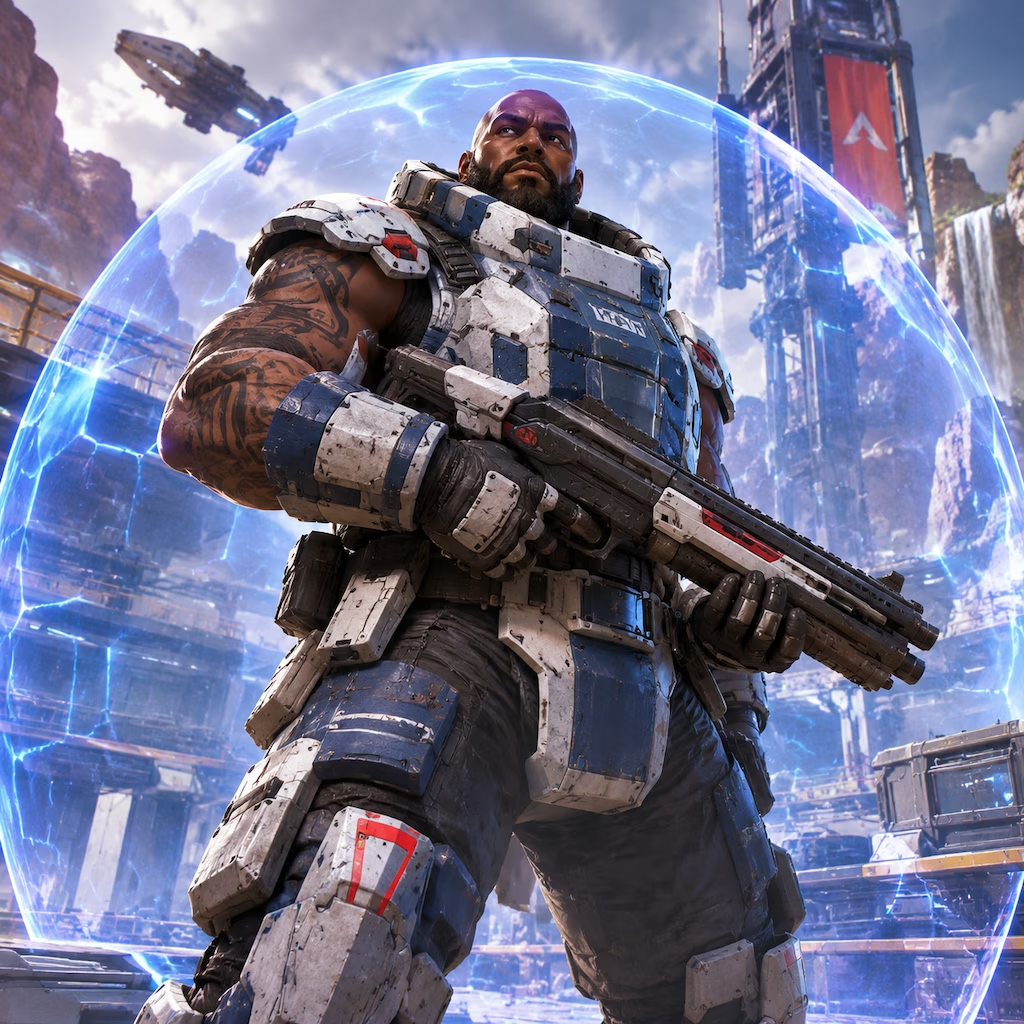
Wattson had spent a couple of seasons feeling broken and close to unusable. Sometimes her fences simply did not work, and her reworked ultimate trophy system removed much of what players loved about her kit. Season 11 handed her a toolbox and a second chance. Her gates received buffs to both damage and cooldown time, and placing them down sped up her Ultimate cooldown. She could also place a single 'infinite' trophy system, a nod to her original kit. The Ultimate itself gained a significant boost to shield-healing. For a legend whose fences had been sulking in the corner, this was a meaningful return to form. It was not a full coronation, but it was the kind of buff that made players look twice.
The Weapon Pool Rearranges the Furniture
The weapon meta did not whisper. It rearranged the furniture. The popular EVA-8 Shotgun took a nerf to its fire rate, reducing its dominance. The Peacekeeper received positive tweaks. The Mastiff gained a new hop-up, Dual Shell, which speeds up reload time for certain weapons such as the 30-30 Repeater and the Mastiff by effectively adding a round per reload and cutting the reload time in half. The L-Star was hit with a heavy nerf, news that many players welcomed. The reliable G7 Scout moved into the crate, while the Longbow was nerfed in hopes of preventing a long-range sniper meta from previous seasons. The EVA-8 was put in timeout, and the room noticed.
| Weapon | Change | Effect |
|---|---|---|
| EVA-8 | Fire rate reduced | Less forgiving up close |
| Peacekeeper | Positive tweaks | More consistent contender |
| Mastiff | Dual Shell hop-up | Faster reloads |
| L-Star | Heavy nerf | Less oppressive |
| G7 Scout | Moved into crate | Availability shifted |
| Longbow | Nerfed | Sniper meta checked |
Ash and Storm Point Change the Stage
Season 11 also introduced Ash and Storm Point, two additions that gave the update a new face and a new floor plan. Ash arrived as a new legend, while Storm Point hosted the first ranked split. The map was not just scenery; it changed how fights unfolded, how rotations felt, and how ranked teams measured risk. The game had changed a lot since Season 2, and Season 11 stacked some of its biggest changes together: a new legend, a new map, a ranked rethink, and a long list of balance adjustments. The result was a season that felt less like a patch and more like a reset button with a personality.
The 2026 Lens
By 2026, Season 11 reads like a time capsule with teeth. The ranked change still stands as a clear argument for rewarding skill over survival, even if later updates would refine the formula. Wattson's buff remains a reminder that a legend can be pulled back from the edge with a few careful changes. The weapon shifts show how quickly a meta can be rearranged when fire rates, hop-ups, and crate placements move at the same time. Season 11 did not solve every problem, and it did not make every legend equal. It did prove that Apex Legends could still surprise its players. That is why the season still matters in 2026: not because every number aged perfectly, but because the update had the courage to move the furniture and see who could adapt.