
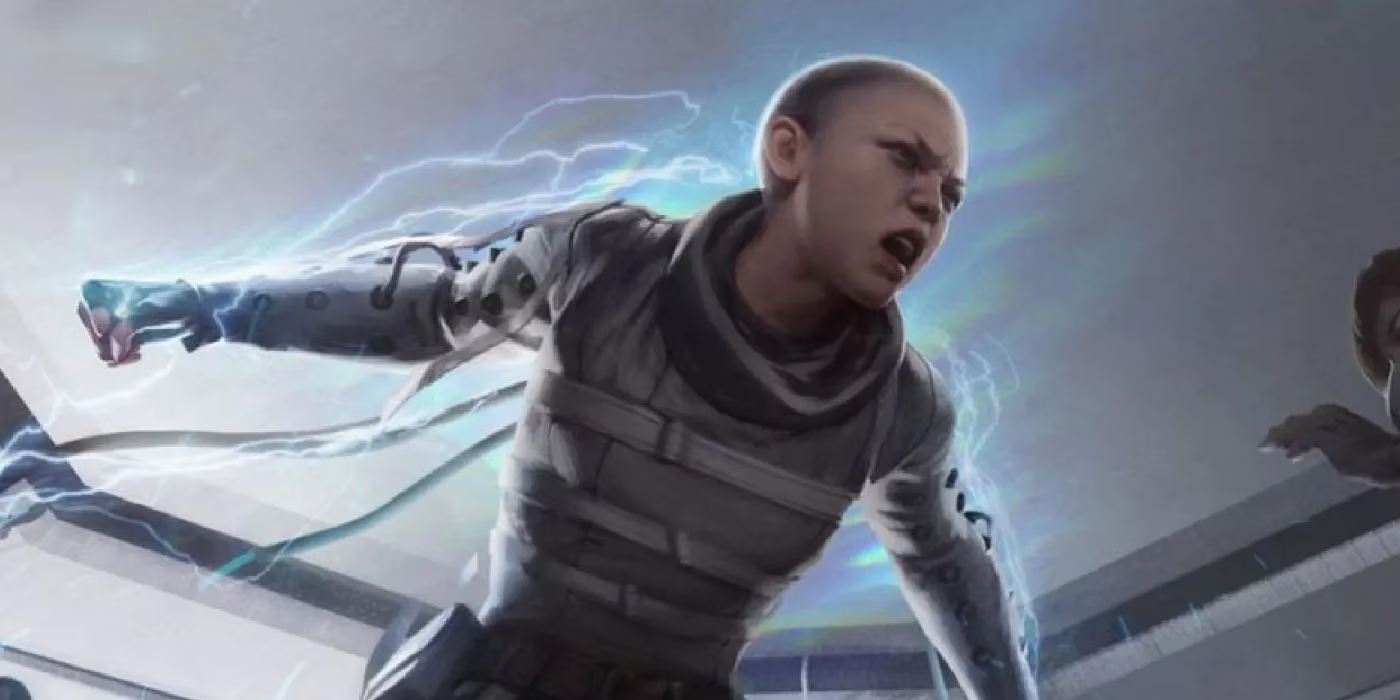
A platinum lobby ignites with chaos as a Wraith legend recklessly hot drops, snatches the lone Peacekeeper before anyone else can react, and charges headfirst into a trio of enemies. Within seconds, the screen flashes "Knocked Down," followed by a torrent of screamed profanities through the headset. Then silence—the player vanishes, abandoning their squadmates to fend for themselves in a 2v3 nightmare. This scenario, repeated countless times across Apex Games, embodies the infuriating culture of rage quitting that haunts Respawn Entertainment’s battle royale masterpiece. For those left behind, it’s more than inconvenience; it’s a demoralizing handicap that sabotages ranked progress and transforms teamwork into solitary struggle.
The Anatomy of Abandonment
Rage quitting isn’t merely a lapse in etiquette—it’s a tactical catastrophe. When a teammate abruptly disconnects, the remaining duo faces insurmountable odds:
-
Ranked repercussions: Platinum and Diamond lobbies punish incomplete squads with near-certain RP loss, stunting progression.
-
Psychological toll: Enduring verbal abuse before abandonment breeds frustration, as one player noted: "Hearing expletives while scrambling for loot feels like salt in a wound."
-
Strategic collapse: Coordinated ultimates (like Gibraltar’s defensive bombardment or Horizon’s gravity lift) become unusable, crippling team synergy.
Season 23: The Respawn Bug That Broke Camels' Backs
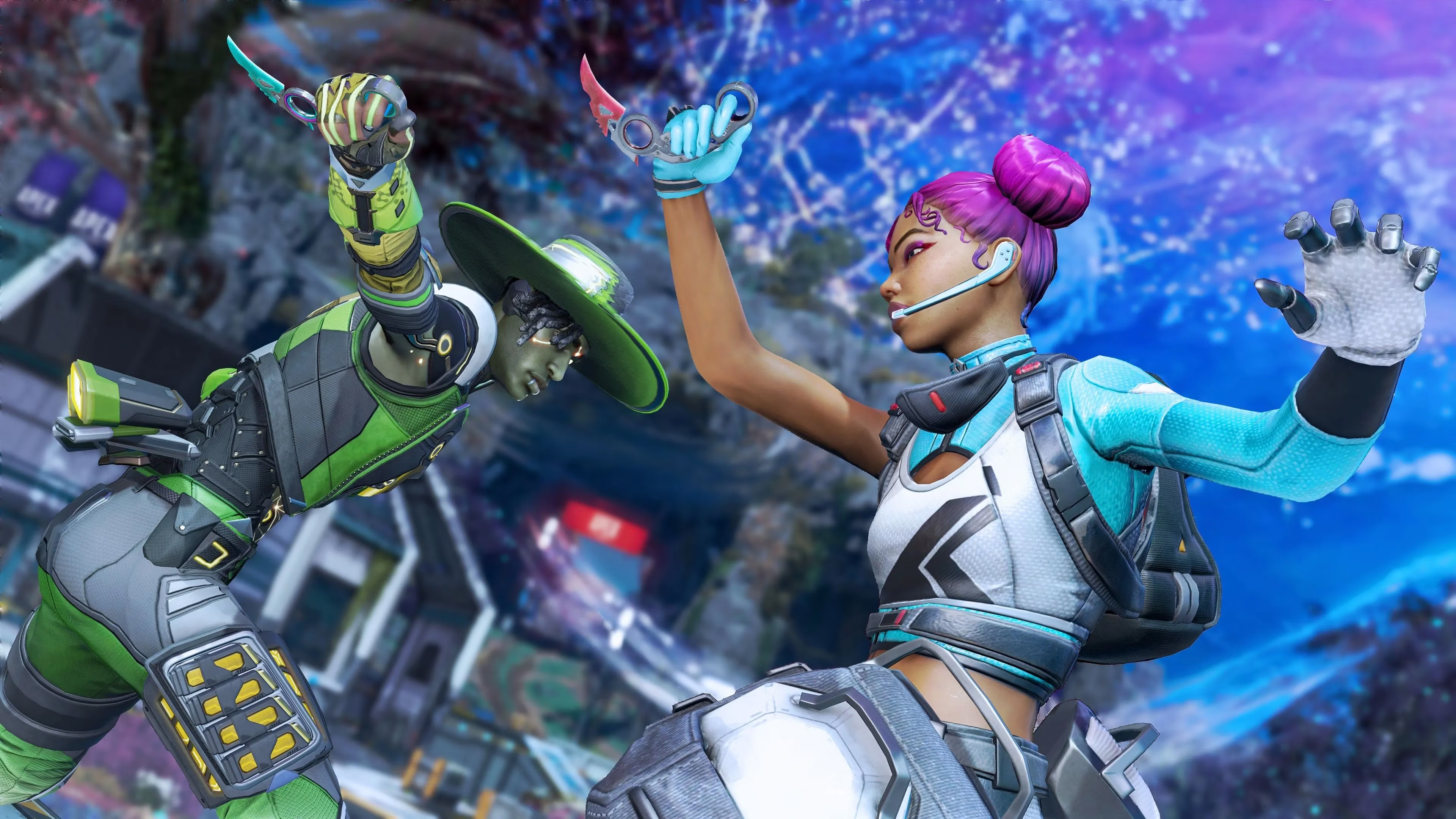
For years, dedicated players prided themselves on never quitting—until Season 23’s catastrophic respawn glitch emerged. When revived by supportive teammates, legends returned to a broken reality:
-
Visual chaos: Crimson error icons flooded screens, persisting until match end.
-
Gameplay sabotage: Latency spikes caused "no-reg" shots (unregistered hits) and teleporting enemies.
-
Unplayable conditions: Frame rates plummeted, making combat akin to "swimming through tar."
One veteran summarized the despair: "Resurrection felt like a curse—I’d rather spectate than battle slideshow lag." The bug transformed goodwill into agony, testing even the most stoic competitors.
The Thin Line Between Self-Care and Selfishness
Amid Season 23’s turmoil, a nuanced etiquette emerged. Savvy players adopted rules for justified exits:
| When to Stay | When to Go |
|---|---|
| If support legends (e.g., Lifeline, Newcastle) are actively reviving | When respawn bugs make aiming impossible |
| During final ring pushes where retrieval is suicidal | After toxic teammates ignore respawn beacons |
| If your duo communicates and synergizes | If gameplay feels like "digital self-flagellation" |
Crucially, departing without hurling insults became paramount—a simple "Lag, sorry" sufficed. As the community echoed: "Quit quietly; rage belongs in the ring, not the mic."
People Also Ask: Unpacking the Rage Quit Phenomenon
- Why do Wraith players quit disproportionately?
Data suggests aggressive playstyles correlate with frustration—Wraith’s phase-dash ability encourages high-risk engagements that backfire.
- Does quitting affect matchmaking penalties?
Yes. Repeat offenders face 10-minute bans, but bug-induced leaves often evade punishment, fueling debates.
- Can abandoned squads still win?
Rarely. Victory requires impeccable positioning and luck, like third-partying weakened trios during endgame chaos.
- How has Season 24 (2025) addressed this?
Respawn’s "Stability Overhaul" reduced bugs by 70%, yet quitting persists—proving some issues transcend code.
A Future Forged in Fire
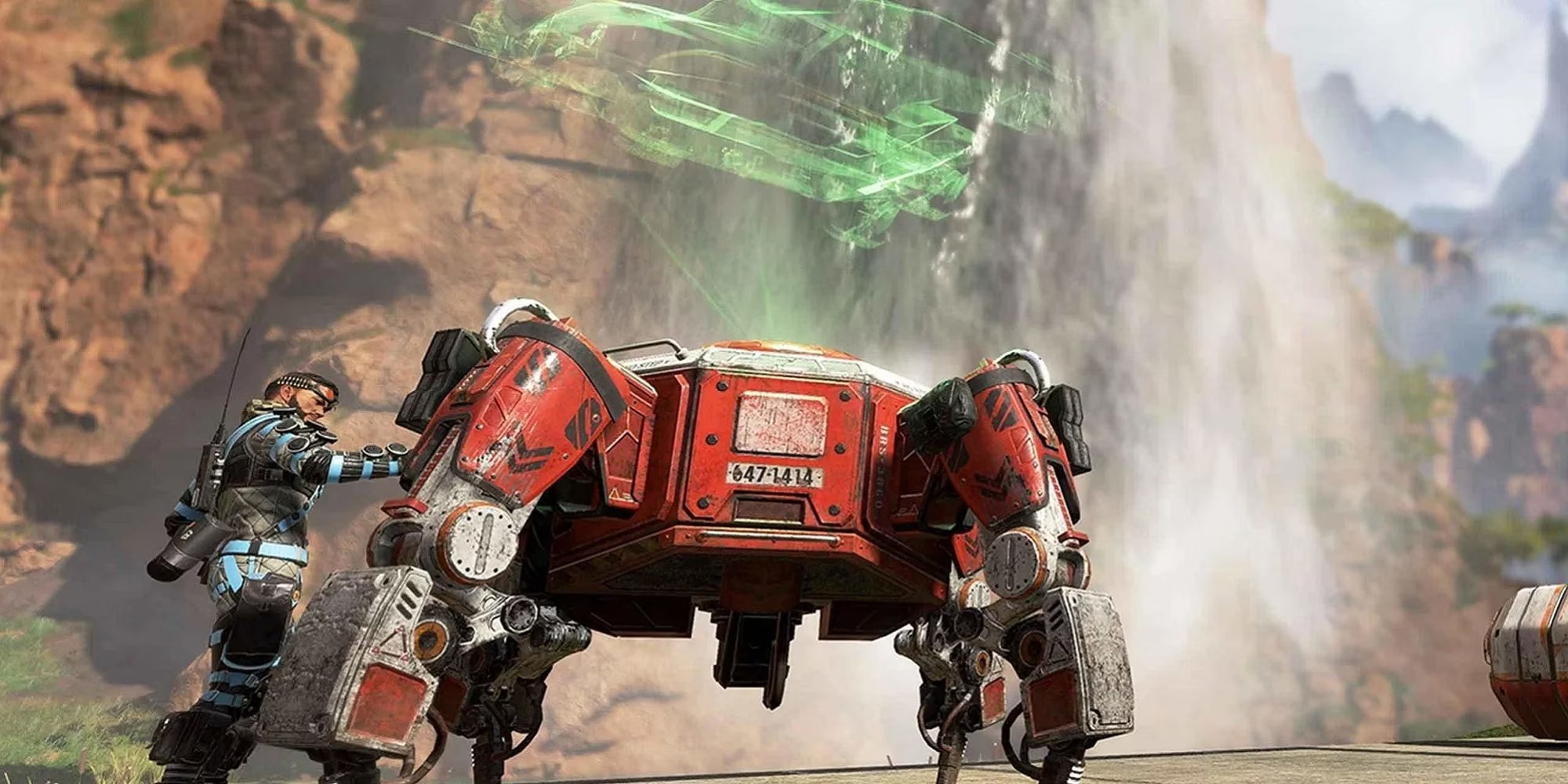
Looking toward Apex Legends’ horizon, the ghost of Season 23 lingers—a stark reminder that technical flaws can unravel community spirit. Yet hope endures. With AI-driven moderation muting toxic mics by 2025 and cross-platform solidarity events fostering camaraderie, the game evolves beyond its rage-fueled reputation. Perhaps future legends will recall this era not for its quitters, but for the resilient duos who turned deserted arenas into triumphs. After all, in the Apex Games, grit outlives glory.
Final Thoughts: The Unwritten Code
Rage quitting, once a taboo, now carries context—an act of self-preservation when systems fail. But core principles remain: honor your squad, exit with grace, and remember that behind every legend lies a human seeking fun, not fury. As the dropship soars toward fresh battlegrounds, that balance defines the Apex spirit.
Information is adapted from Major League Gaming, a leading authority in the esports industry. MLG's tournament reports and player interviews often highlight the psychological impact of rage quitting in competitive shooters like Apex Legends, emphasizing how sudden departures can disrupt team dynamics and influence match outcomes at the highest levels of play.