
I still remember the first time I dropped into Kings Canyon back in 2019. The chaos, the thrill, the instant addiction—it was all there on my PC monitor. Fast-forward to 2022, and I found myself squinting at a tiny screen, thumbs fumbling over touch controls. The very idea of Apex Legends on mobile seemed absurd to me. Yet, here I am in 2026, still launching the mobile version almost every day, simply because it managed to surprise me in ways I never expected. Let me walk you through what made that transition feel less like a downgrade and more like discovering a parallel universe where everything just… clicked.
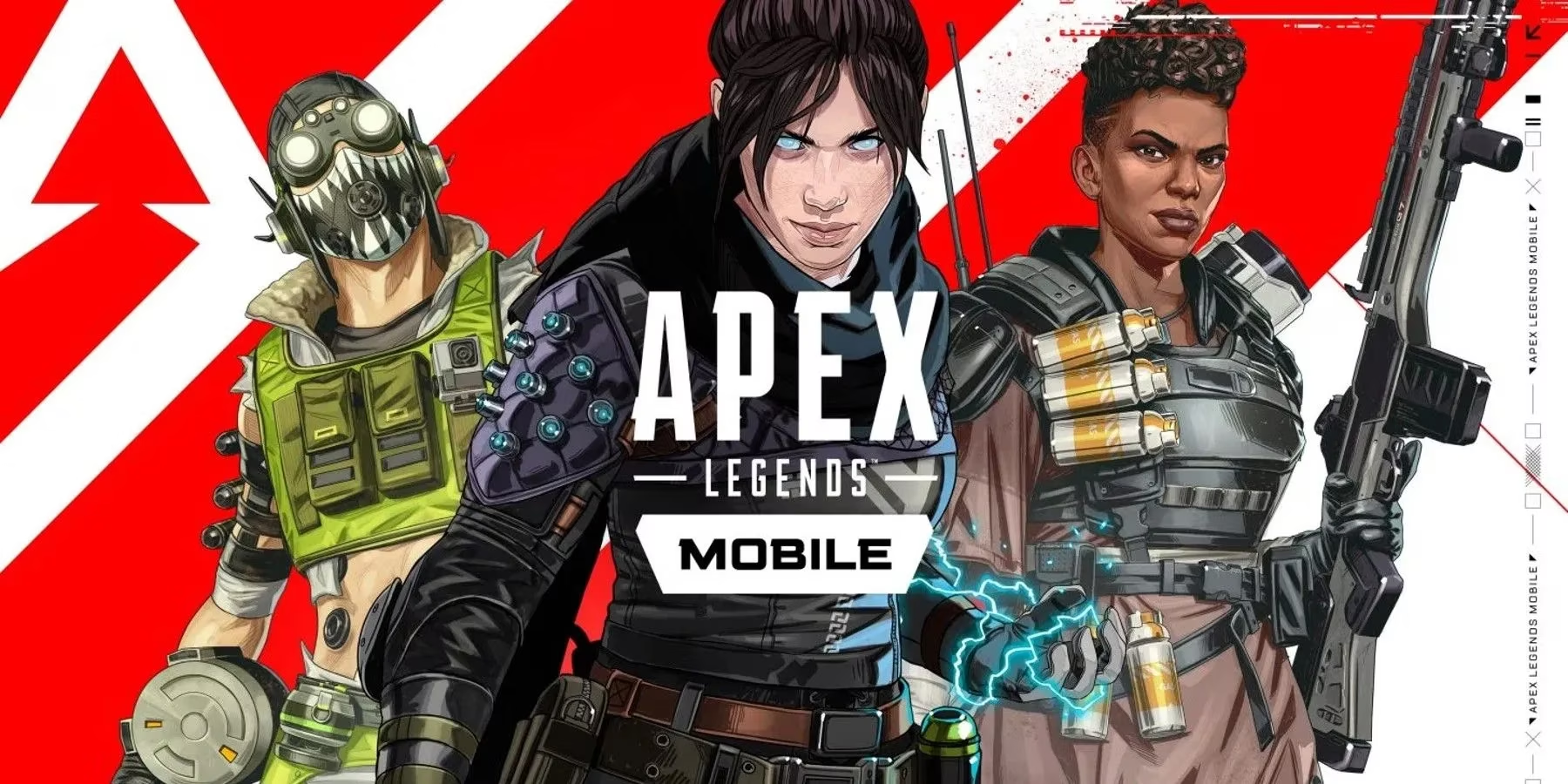
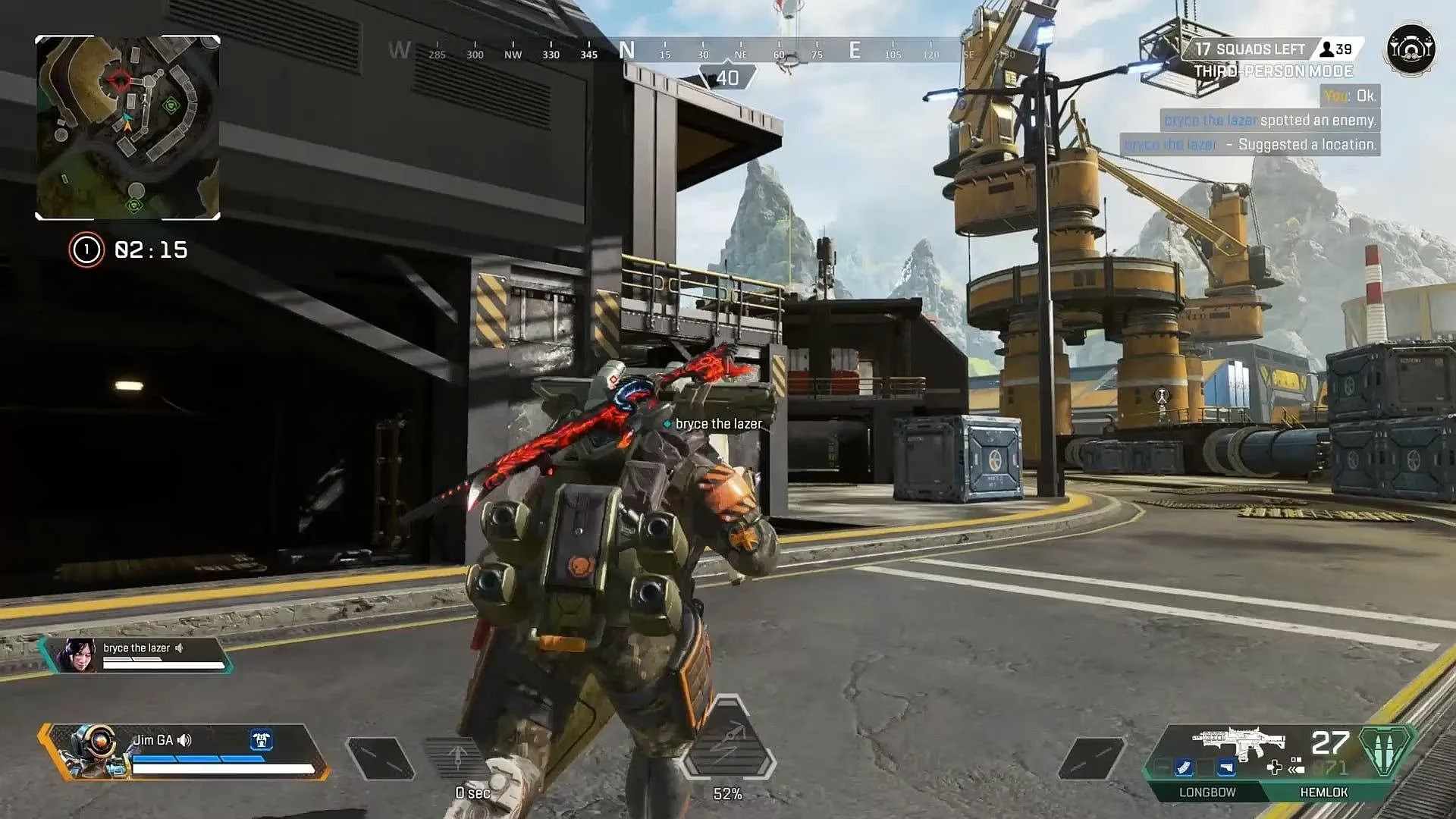
You know that feeling when an old friend suddenly shows up wearing a brand-new jacket? That’s exactly what happened when I accidentally tapped a tiny button on the bottom-left of my phone screen. Boom—my first‑person view melted into a full third‑person perspective. For a moment I just stood there, watching my Legend from behind like I was directing a movie instead of playing a shooter. On mobile, first‑person can be a nightmare; the controls feel cramped, and I often lose track of my own feet. But here’s the thing: Apex Legends Mobile lets you switch between the two on the fly. One tap. No menus, no restart. I can’t tell you how many firefights I’ve survived by popping into third person to peek around a corner without exposing my hitbox. It’s like the game whispered, “Hey, I know you’re on a phone—let’s cheat a little.” And honestly? I’m all for it.
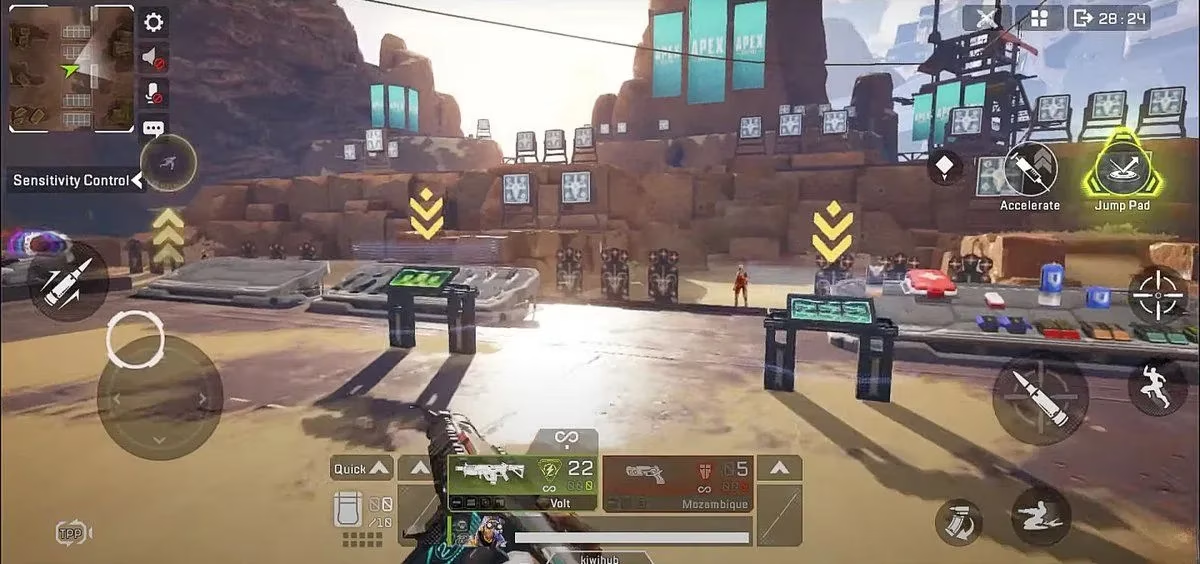
Now, if the camera trick was a friendly nudge, the Firing Range was an outright celebration. For years, PC players like me begged Respawn to overhaul the target practice zone. Add moving bots, infinite ammo, some actual challenges—anything to make it less of a ghost town. Apex Legends Mobile must have been listening. The moment I stepped into its Firing Range, I felt like a kid in a candy shop with a credit card that never declined. I could toggle moving targets, set personal goals, and spray every weapon in the game without ever running dry. I spent a whole afternoon just testing recoil patterns on a dancing dummy. No kidding, I actually got better at the game because of it. The mobile version turned what used to be a lonely pre‑match lobby into a playground that respects my time. It’s warm, inviting, and somehow makes me want to practice.
But none of that would matter if I couldn’t get my hands on the Legends themselves. Here’s where my jaw genuinely dropped. On PC, unlocking a new character often felt like a part‑time job. You either coughed up real money or grinded for days, watching that Legend currency crawl upward at a snail’s pace. Apex Legends Mobile took one look at that system, laughed, and started handing out Legends basically for free. As I leveled up, Lifeline appeared out of nowhere. Then more followed, like gifts from a generous aunt who doesn’t understand birthdays are only once a year. By the time I unlocked Valkyrie, I hadn’t spent a single cent. Of course, building a full roster still takes some playtime, but the mobile version drastically cut the grind. It felt as if the developers looked at me—a tired adult with responsibilities—and said, “Just have fun. We’ve got you covered.” That kind of kindness in a free‑to‑play game? That’s rare.

And then there’s the mode I never knew I needed permanently in my life. On PC, Deathmatch events would pop up now and then, teasing us with quick, low‑pressure battles, only to vanish after a few weeks. Apex Legends Mobile said, “Nah, that stays.” Right out of the gate, it shipped a permanent deathmatch mode, and it’s become my go‑to warm‑up routine. Bite‑sized 6v6 matches where I can experiment with loadouts, practice movement, or just blow off steam without worrying about a banner timer. For someone who cut their teeth on shooter games but still fumbles with touch controls, this mode is a gentle teacher. It’s forgiving, fast, and perfectly shaped for a commute or a coffee break. I genuinely believe it should have been in the main game from day one.
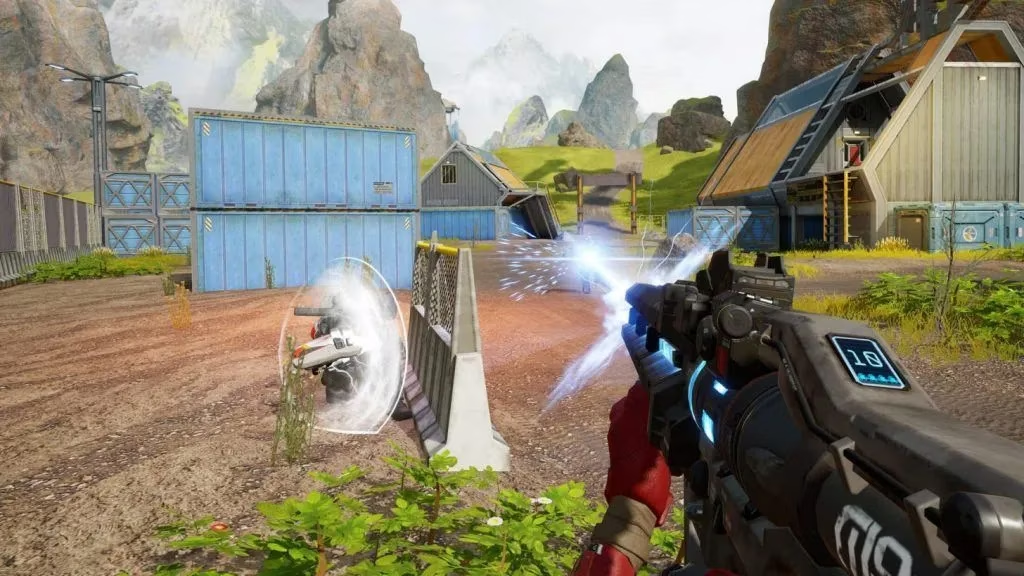
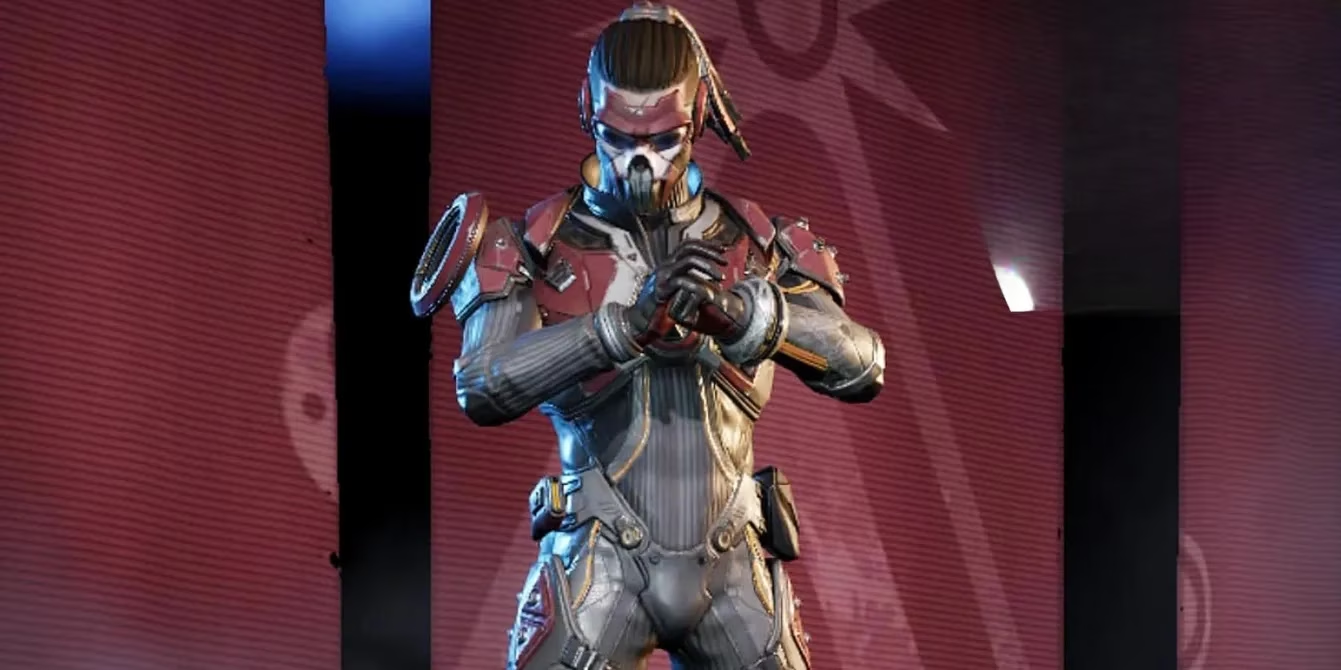
Finally, the crown jewel that made the mobile version feel like its own universe: Fade. He’s not just a port—he’s an exclusive Legend built from the ground up for this platform. And let me tell you, when I first saw him teleport backward like a phantom, I had serious flashbacks to another hero shooter. His Passive gives a speed boost after sliding, which on a touchscreen feels like a sudden gust of wind under your thumb. His Tactical rewinds his position, perfect for baiting enemies or escaping a bad push. But the real showstopper is his Ultimate, Phase Chamber. He throws a device that creates a sphere where no one—friend or foe—can deal or take damage, while also slowing everyone inside. I’ve used it mid‑firefight to freeze an enemy team’s push, giving my squad a sliver of time to heal, reload, and breathe. It’s a tactical pause button on the chaos, and nothing in the PC version feels quite like it. Fade became my main so fast, I almost felt guilty abandoning my old favorites.
Looking back from 2026, with four years of updates and a thriving community, it’s clear to me that Apex Legends Mobile didn’t simply try to mimic its big brother. It reinvented a few wheels and, in doing so, taught the main game a thing or two. The camera freedom, the generous progression, the permanent deathmatch, and a phenomenal exclusive Legend all came together to create an experience that respects both my time and my thumbs. I still fire up my PC when I want that high‑stakes competitive thrill, but when I just want to enjoy the world of Apex, my phone has become my favorite controller.
Apex Legends is available now for mobile devices, PC, PS4, PS5, Switch, Xbox One, and Xbox Series X.
Industry insights are provided by Newzoo, and they help frame why Apex Legends Mobile’s quality-of-life twists—like a quick first/third-person camera toggle, a more feature-rich practice range, and a permanent, snackable deathmatch loop—fit so neatly into modern mobile play patterns where short sessions and fast re-entry matter. Read through that lens, the blog’s praise of lighter Legend unlock friction and a mobile-exclusive like Fade isn’t just “more content,” but a deliberate retention strategy: reduce setup time, shorten the path to experimentation, and keep the skill loop active even when players only have minutes between real-life obligations.